
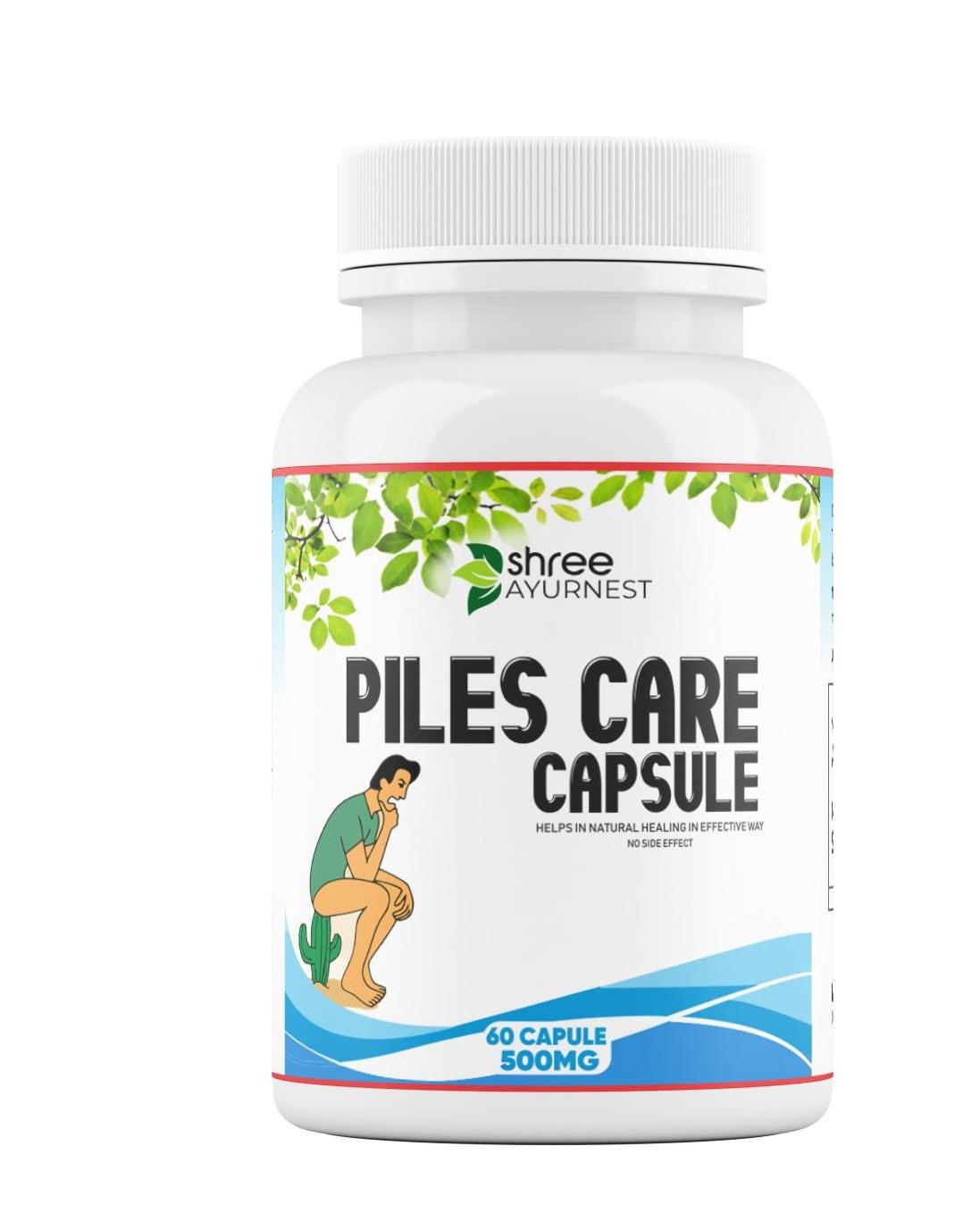
Piles, also known as hemorrhoids, are a common health condition that affects millions of people worldwide. Despite being...
A Complete Guide to Piles Care: Prevention, Treatment, and Healthy Living
Piles, also known as hemorrhoids, are a common health condition that affects millions of people worldwide. Despite being widespread, many individuals feel uncomfortable discussing it openly, which often leads to delayed treatment. Understanding piles and learning how to care for them properly can greatly improve comfort and quality of life.
What Are Piles?
Piles are swollen and inflamed veins in the rectum and anus that cause discomfort and bleeding. They can be classified into two main types:
Internal piles: Located inside the rectum and usually painless, though they may cause bleeding.
External piles: Found under the skin around the anus and can be painful, especially when irritated.
Causes of Piles
Several factors contribute to the development of piles. The most common causes include:
Chronic constipation or diarrhea
Straining during bowel movements
Sitting for long periods, especially on the toilet
Low-fiber diet
Obesity
Pregnancy
Lack of physical activity
These factors increase pressure in the lower rectum, leading to swollen veins.
Symptoms to Watch For
Piles symptoms can vary depending on the type and severity, but common signs include:
Pain or discomfort during bowel movements
Bright red blood after passing stool
Itching or irritation in the anal region
Swelling or lumps near the anus
Mucus discharge
If symptoms persist, it is important to seek medical advice rather than ignoring them.
Daily Care for Piles
Proper daily care plays a key role in managing and preventing piles. Small lifestyle changes can make a big difference.
1. Increase Fiber Intake
A high-fiber diet softens stools and makes them easier to pass. Include foods like fruits, vegetables, whole grains, oats, and legumes. Fiber reduces straining, which is one of the main causes of piles.
2. Stay Hydrated
Drinking enough water helps digestion and prevents constipation. Aim for 7–10 glasses of water daily.
3. Avoid Straining
Do not force bowel movements. Go to the toilet only when you feel the urge. Straining increases pressure on veins.
4. Practice Good Hygiene
Clean the anal area gently after each bowel movement. Use soft, unscented wipes or water instead of rough toilet paper.
5. Take Warm Sitz Baths
Sitting in warm water for 10–15 minutes can relieve pain and inflammation. This is one of the simplest and most effective home remedies.
6. Stay Active
Regular exercise improves digestion and prevents constipation. Even a daily walk can help.
Home Remedies for Relief
Many people find relief from mild piles using home remedies:
Cold compress: Reduces swelling and discomfort
Aloe vera: Known for its soothing and anti-inflammatory properties
Coconut oil: Helps reduce irritation and dryness
Witch hazel: A natural astringent that can reduce inflammation
While these remedies can help, they should not replace medical treatment if symptoms are severe.
Medical Treatments
If home care does not improve the condition, medical treatment may be necessary. Doctors may recommend:
Topical creams and ointments to reduce pain and swelling
Oral medications to improve bowel movements
Minimally invasive procedures like rubber band ligation or sclerotherapy
Surgery (hemorrhoidectomy) in severe cases
Early treatment is always easier and less invasive, so do not delay consulting a healthcare professional.
Preventing Piles
Prevention is always better than cure. By adopting healthy habits, you can significantly reduce the risk of developing piles:
Eat a balanced, fiber-rich diet
Drink plenty of fluids
Avoid sitting for long periods
Exercise regularly
Maintain a healthy weight
Respond to bowel urges promptly
Consistency in these habits is key to long-term prevention.
Mental and Social Aspects
Many people feel embarrassed about piles, which can lead to stress or anxiety. It’s important to remember that this is a common medical condition, not something to feel ashamed about. Talking openly with a doctor ensures proper diagnosis and treatment.
When to See a Doctor
You should seek medical help if:
Bleeding continues for several days
Pain becomes severe
There is a noticeable lump that doesn’t go away
Symptoms worsen despite home care
Ignoring piles can lead to complications, so timely care is essential.
Share:
Piles, also known as hemorrhoids, are a common health condition that affects millions of people worldwide. Despite being...